
When someone sends you a text with a short word, phrase, or strange-looking message, it can be hard to know what they mean. You may read the message two or three times and still wonder, “What does this mean in text?”
This is common because people often use slang, short forms, emojis, or words that have different meanings depending on the situation.
People search for “what does this mean in text” when they receive an unclear message from a friend, partner, coworker, or someone online. The same word can sound friendly in one conversation but rude, funny, or even flirty in another.
Understanding the context is the key. The person’s relationship with you, the words around the term, and the place where the message was sent can all change its meaning.
This guide explains how to understand unclear texting language in 2026. You will learn the most common meanings, how context changes a message, how to respond, and when you should avoid using unclear slang yourself.
What Does “What Does This Mean in Text” Mean in Text?
“What does this mean in text” is a question people use when they want to understand an unfamiliar word, abbreviation, phrase, or slang term in a message. It means the person wants to know the meaning of something used in texting. The answer may depend on context, tone, platform, or the relationship between the people chatting.
Common interpretations include:
- Asking for the meaning of a slang word
- Asking what a texting abbreviation stands for
- Asking what someone’s message means
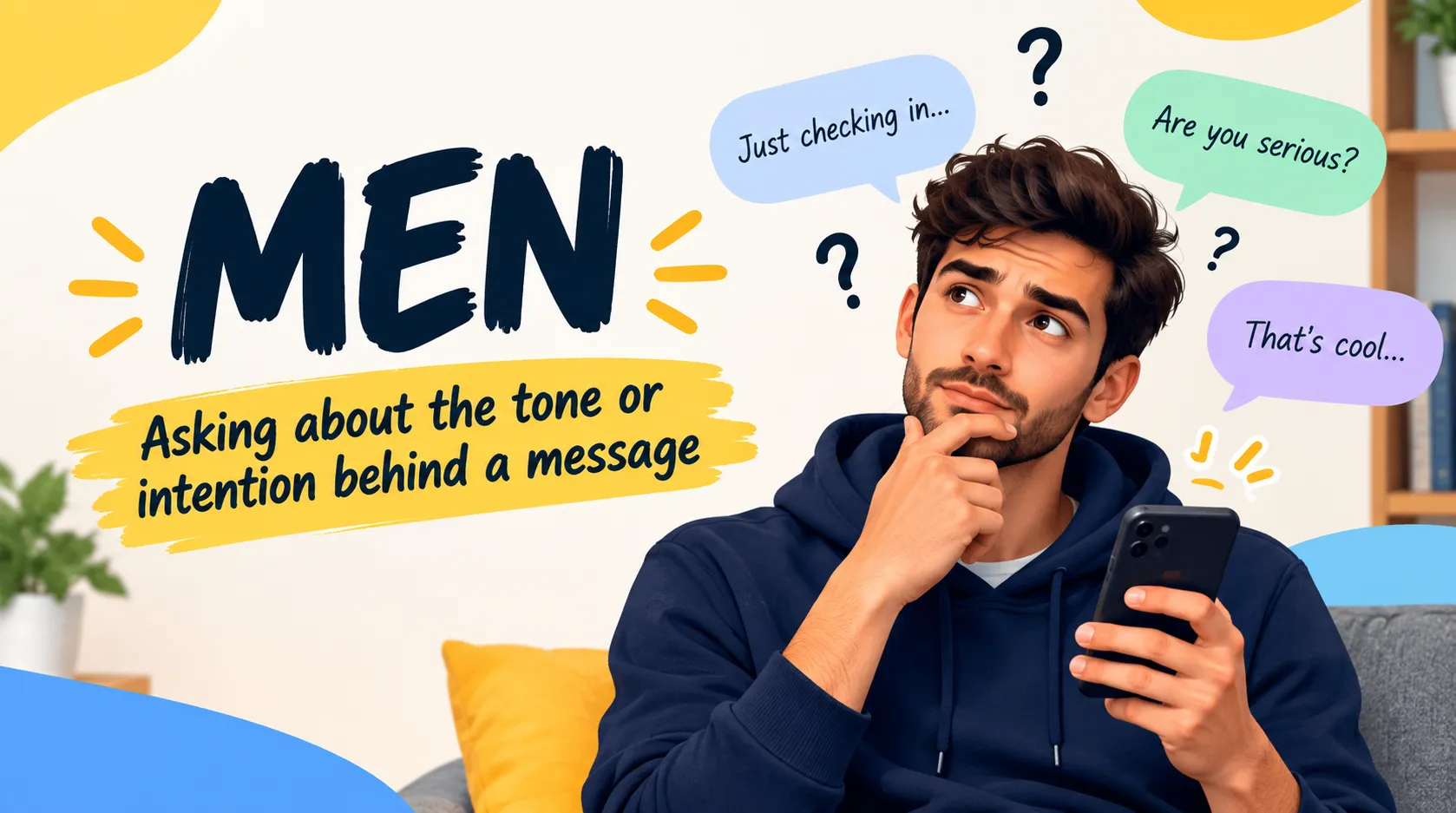
- Asking about the tone or intention behind a message
For example, if someone receives “IDK,” they may ask what it means in text. If someone receives “sure…” they may also ask what the message means because the punctuation can change the tone.
The Most Common Meanings of “What Does This Mean in Text”
The phrase itself is usually straightforward, but what someone wants to understand can be different. Here are the most common situations.
1. Asking About Texting Slang
The most common reason is that someone sees a slang term they do not know.
For example:
“She texted me ‘NGL.’ What does this mean in text?”
Here, the person wants to know that “NGL” usually means “not gonna lie.”
Another person might see “FR,” “TBH,” “BTW,” or “LMK” and search for its meaning.
2. Asking About an Abbreviation
People often shorten words to make texting faster.
For example:
“He said ‘OMW.’ What does this mean in text?”
“OMW” commonly means “on my way.”
Abbreviations are especially common in casual conversations because they save time and make messages feel natural.
3. Asking About a Strange Phrase
Sometimes the message contains normal words, but the full phrase is confusing.
For example:
“She said ‘You do you.’ What does this mean in text?”
Depending on the conversation, “you do you” can mean “do what feels right for you” or “make your own choice.”
The surrounding conversation helps explain the intended meaning.
4. Asking About Tone
A message can have a simple dictionary meaning but still carry a different feeling.
For example:
“Okay.”
The word “okay” can mean agreement. But depending on the conversation, it may also sound cold, annoyed, or uncomfortable.
That is why understanding text messages is not only about individual words. Tone matters too.
5. Asking About Hidden or Informal Meaning
Some terms have a second meaning online.
A word may have one normal meaning in everyday English and another meaning in texting, social media, gaming, or dating.
For example, “ship” can mean sending something, but online it can also mean supporting two people as a couple.
Context tells you which meaning makes sense.
How “What Does This Mean in Text” Is Used in Real Conversations
Friends & Casual Texting
Friends often use slang because casual conversations do not require formal language. They may shorten words, remove punctuation, or use phrases that are popular online.
For example:
“Bro said ‘bet.’ What does that mean?”
In casual texting, “bet” can mean “okay,” “sure,” or “I agree.”
Another example is:
“She said ‘my bad.’”
“My bad” usually means “my mistake” or “sorry.”
Friends may also use words such as:
- LOL
- BTW
- IDK
- FR
- NGL
- TBH
- LMK
- WYA
The meaning is usually easy to understand once you know the slang.
Instagram & Snapchat
Social media has created its own style of communication. People often use short captions, slang, abbreviations, and phrases in comments or direct messages.
A person may receive a comment such as:
“FRFR”
This usually means “for real, for real” and adds strong agreement.
Someone may also receive:
“HMU”
This commonly means “hit me up,” or contact me.
Instagram and Snapchat messages can also use slang differently from formal English. A person may use a short word because it looks more natural in a DM.
The platform can therefore provide useful context.
Dating Apps
Texting becomes even more dependent on context when people are talking on dating apps.
A short message can have a friendly, romantic, teasing, or flirty meaning.
For example:
“You’re trouble 😂”
This could be playful flirting rather than a serious warning.
Likewise:
“You up?”
Depending on the conversation, this could simply ask whether someone is awake. In a late-night dating conversation, it may carry a more suggestive meaning.
This is why you should not assume that every short message has one fixed meaning. Look at the previous messages and the relationship between the people.
Gaming & Online Communities
Gamers and online communities use many short forms because conversations often happen quickly.
Common examples include:
- GG — good game
- GLHF — good luck, have fun
- AFK — away from keyboard
- OP — original poster or overpowered, depending on context
- NPC — non-player character
- BRB — be right back
For example:
“He’s AFK.”
This normally means the player is temporarily away.
But “OP” can be confusing because it has more than one common meaning. In a gaming conversation, it may mean “overpowered.” On a social platform, it may mean “original poster.”
The community and conversation usually make the intended meaning clear.
Work or Professional Chat
Professional conversations are different. People may still use abbreviations, but unclear slang can create problems.
For example:
“Can you send it ASAP?”
ASAP means “as soon as possible,” and it is common in work messages.
However, using very informal slang such as “idk,” “lol,” or “bruh” may not fit every workplace.
If you are unsure about the person’s communication style, use clear and simple language. This reduces confusion and keeps your message professional.
Is “What Does This Mean in Text” Rude, Flirty, or Offensive?
The phrase “what does this mean in text” is not rude, flirty, or offensive by itself. It is simply a question asking for clarification.
The message being asked about may have a different tone.
When It Feels Positive
A message may feel positive when it includes friendly language, praise, humor, or agreement.
For example:
“That’s so cute!”
This is generally positive, although the exact meaning can depend on the relationship.
When It Feels Negative
Short messages can sometimes sound negative because they lack detail.
For example:
“Fine.”
“Fine” may mean everything is okay, but it can also sound annoyed or distant.
The previous conversation is important.
When It Feels Flirty
Some messages can have a romantic or playful meaning.
For example:
“You look good today.”
Between people who are interested in each other, this may be flirting. Between friends, it may simply be a compliment.
The relationship between the people matters.
When It Feels Offensive
Some slang terms can be insulting, sexual, or offensive. If you do not know a term, it is better to check its meaning before repeating it.
Do not assume that a word is harmless simply because you see it often online.
How to Respond When Someone Says “What Does This Mean in Text”
If someone asks you about a word or message, your response can depend on the situation.
Casual Replies
For a friend, you can keep the answer simple:
“It means ‘on my way.’”
Or:
“It basically means they don’t know.”
Funny Replies
If you are joking with a close friend, you might say:
“Welcome to the internet. It means…”
Or:
“You need a texting dictionary!”
Keep jokes friendly and make sure the other person is comfortable with that style.
Neutral Replies
If you want to be clear, simply explain the meaning:
“It usually means ‘for real,’ but the meaning can change depending on the conversation.”
This is useful when a term has more than one definition.
Professional Replies
At work, avoid unnecessary jokes.
You could say:
“It usually means ‘as soon as possible.’”
Or:
“In this context, it appears to mean that the task has been completed.”
Clear wording is usually the safest choice in professional communication.
Common Misunderstandings About “What Does This Mean in Text”
Texting can be confusing because written messages do not show facial expressions, voice, or body language.
Assuming Every Slang Term Has One Meaning
Many abbreviations have multiple meanings.
For example, “ID” can mean identification, while “IDK” means “I don’t know.” A short combination of letters cannot always be understood without context.
Confusing Similar Terms
Some abbreviations look almost the same.
For example:
- TBH = to be honest
- TBF = to be fair
- BTW = by the way
- BRB = be right back
A small difference in letters can completely change the meaning.
Misreading Tone
A person may write:
“Okay.”
You may think they are angry, but they may simply be busy.
Text does not always show emotion clearly. Before assuming someone is upset, look at the larger conversation.
Assuming Slang Is Always Informal
Some abbreviations are now common enough to appear in many types of communication.
However, that does not mean every abbreviation belongs in every setting.
The best choice depends on the person, platform, and purpose of the conversation.
Taking a Joke Literally
Internet conversations often include sarcasm and jokes.
For example:
“Wow, great job.”
This could be genuine praise or sarcasm after someone makes a mistake.
The messages before and after the phrase can reveal the intended tone.
Similar Slang Terms You Should Know
Here are 10 common texting terms that often appear when people ask about the meaning of a message:
- IDK — Means “I don’t know.”
- IKR — Means “I know, right?” and shows agreement.
- TBH — Means “to be honest.”
- NGL — Means “not gonna lie.”
- FR — Means “for real” and often shows agreement.
- BTW — Means “by the way.”
- LMK — Means “let me know.”
- WYA — Means “where you at?” or “where are you?”
- OMW — Means “on my way.”
- BRB — Means “be right back.”
These terms are common in casual digital communication, but their exact use can change with context.
When You Should Avoid Using “What Does This Mean in Text”
Asking about a meaning is always fine, but using unclear slang yourself is not always the best choice.
Professional Settings
Work emails, business messages, school communication, and formal requests usually need clear language.
Instead of:
“IDK, I’ll check.”
You could write:
“I’m not sure. I’ll check and let you know.”
The second version is clearer and more professional.
Cross-Cultural Chats
People from different countries may not know the same slang.
A phrase that is common in one online community may be unfamiliar to someone from another culture.
If clarity matters, use simple words instead of local or highly specific slang.
Sensitive Situations
Avoid unclear slang when discussing serious matters, apologies, conflicts, money, health, or important decisions.
For example, if someone asks an important question, replying only with:
“idk”
may seem careless.
A clearer answer shows that you understand the importance of the conversation.
FAQs
What does “what does this mean in text” usually mean?
It usually means someone wants to understand an unfamiliar word, abbreviation, phrase, or message used in a text conversation.
Why do people ask what a text message means?
People ask because texting often uses slang, abbreviations, sarcasm, or short phrases that can have different meanings depending on context.
Can the same texting word have different meanings?
Yes. Some abbreviations and slang terms have several meanings. The conversation, platform, and surrounding words can help identify the intended meaning.
How can I understand an unfamiliar texting abbreviation?
Look at the full conversation first. Check the words around the abbreviation and consider whether the conversation is casual, professional, romantic, or related to gaming.
Does punctuation change the meaning of a text?
Yes. Punctuation can affect how a message feels. For example, “Okay!” can sound excited, while “Okay…” may sound uncertain or unhappy.
Is texting slang appropriate at work?
Some common abbreviations may be acceptable in casual workplace chats, but very informal slang can cause confusion. Use clear language when the situation is formal or important.
Why does texting sometimes feel confusing?
Text messages do not include voice tone, facial expressions, or body language. Because of this, short messages can sometimes be interpreted in different ways.
Final Thoughts.
When you search for “what does this mean in text,” you are usually trying to understand more than just a word. You may also be trying to understand the tone, intention, or feeling behind a message.
The safest way to understand texting language is to look at the full context. Think about who sent the message, where they sent it, what was said before it, and what type of relationship you have with that person.
Slang changes quickly, especially on social media, gaming platforms, and messaging apps. A term that is popular today may have a different use later.
You do not need to know every piece of internet slang. When something looks confusing, asking for clarification is better than guessing.
Clear communication matters more than using the newest slang. When you understand the context and choose your words carefully, you can avoid misunderstandings and have better conversations online.

Ethan Parker is a creative content writer passionate about pets, animals, and unique name ideas. He loves creating fun and engaging content that helps readers discover the perfect names with ease.